It is at a time like this that Sarah Ng’inwa-Rũmbia would kũraũkata tene ta rĩrĩa Maara a tere ĩthe (visit as early as the hour that Mr. Maara disposed of his dying father) and knock on my grandmother’s door. Without waiting for it to open, she would proceed with her mission—a 411.
As she unwrapped the rũgoto containing her snuff, she would address Mwaa-Kamwĩtha, my grandmum:
“Mwaa-Kamwĩtha, ĩ nĩrũraca nĩkwa rwĩ rũkũthanĩre!”
(Daughter of Kamwĩtha, do not be deceived by the tiny coil. This cord is long.)
Yes—this spaghetti-like maze that Jubilee has found itself in is long, winding, and an intricate web of duplicity.
Quite uncharacteristically, the government moved quickly to shut down betting firms. From fununu to confirmation, confirmation to action—what ordinarily takes well over a year for the cogs of bureaucracy to engage, happened in a blink. By the time I googled fununu, betting giants had already been felled with one wild swoosh.
The closure, we were told, was to “stop the corruption of the morals of our fragile youth.”
Very considerate.
But was it?
Election Fundraiser
Sometime in 2016, a group of tenderpreneurs—granted a free hand to fundraise for 2017—decided they were not, and would never be, lords of poverty. So they pulled a fast Ananias-and-Sapphira on the master and looted the looter.
Some stashed the loot in plastic gunny bags and vanished into abandoned quarries. One was seen digging a huge foxhole, ‘foolishly’ tossing in manure still wrapped in plastic bags, then planting a banana on top. The manure carried a distinct blend of De La Rue and Central Bank scent.
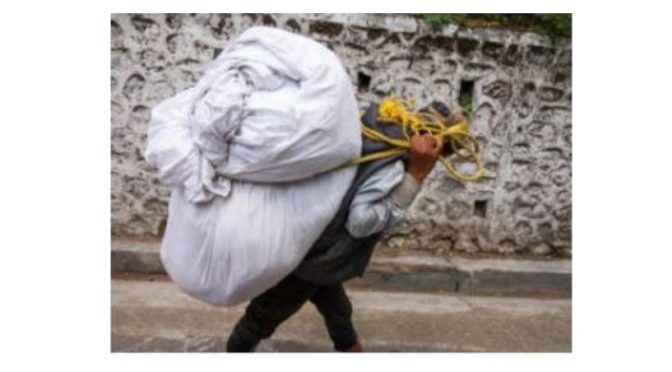
Another was spotted hauling both his protruding beer belly and a sack the size of those carried by wa-chupa-na-debe into an attic.
Later, after 2017 had come and gone, they—remembering the holy liturgy—approached the master:
“Master, we knew you are a hard man, reaping where you have not sown and gathering where you have not scattered seed. So…”
The master, not quick to anger, bided his time.
Prayer Breakfast
When the moment to nyorosha came, he summoned them for a prayer breakfast. Then, “after removing the lock,” he unleashed a medley of seminary memory verses, glaring at them with bloodshot eyes:
“You snakes! You brood of vipers!” he ranted.
“I sent you to reap what you have not worked for. Others did the hard work, and you have enjoyed the harvest.”
Turning to one, he barked:
“Ananias! You are Ananias! Wewe ni Sapphira kabisa!”
He sipped from a water bottle—fooling no one—and went on:
“How is it that Satan has filled your heart so that you have lied to the Party and kept for yourself part of the tender money? Did it belong to you before it was awarded? And after it was awarded, was it yours to dispose of? You have not lied to men, but to the Party.”
Some young men from Karura, along Kiambu Road, came and carried Ananias away.
But the master was not done.
If he would not have the loot, no one would.
First, he considered raiding homes, ploughing fields, and excavating every quarry that could hide the cash. He abandoned the idea—the targets were too many and too powerful.
Next, he considered abolishing the currency. That, too, he dropped. It was a tort. Then one morning, as he poured himself a tot-for-the-lock, inspiration struck. He made a call to a seminarian.
Suddenly, the implementation of the 2010 Constitution—nine years late on fiscal matters—picked up pace. First on the agenda: introduce faceless currency notes.
Gambling to the rescue
The faceless gunny-bag brigade was caught off guard—but only briefly. They adapted with remarkable speed. Overnight, they became ardent, adept, and adroit sports gamblers, winning and losing millions within minutes.
“If you learn to fly without perching, I will learn to shoot without missing,” the master paraphrased.
Soon after, online gambling platforms were shut down by the government, leaving addicts with serious withdrawal symptoms
If Sarah Ng’inwa-Rũmbia were here, she would not bother knocking.
She would unwrap her rũgoto, take a pinch of snuff, and declare:
“Mwaa-Kamwĩtha, ĩ nĩrũraca nĩkwa rwĩ rũkũthanĩre.”
And she would be right. For in this republic, nothing is ever quite what it seems. Neither the sudden zeal to protect “fragile youth,” nor the swift hand of regulation. Not even the righteous anger at a prayer breakfast.
All of it is but a small, visible coil—neatly presented.
But the cord? The cord runs long, winding its way through power, money, and memory. And as always, it is only pulled when it begins to choke the hand that holds it.